Standing out in search is hard, and it keeps getting harder. Even if you do the search engine optimization (SEO) work properly, it can take a long stretch before you see anything for it. That is a problem when you are trying to build awareness around one specific product, service, or campaign. So a lot of businesses and marketers go to pay-per-click (PPC) advertising instead, where the returns show up right away. You agree to the PPC fees, you get a top spot in the search engines, and a lot more potential customers see your product.
However, paying for these clicks is only half the work. While it is a shortcut to gaining visibility and increasing your reach online, it's not enough to actually convert visitors into paying customers. You still have to make sure that you have a user-friendly and functional website to generate a visitor’s full conversion to your product.
Now website design and PPC may belong in different facets of your strategy, but they ultimately go hand in hand in your overall campaign. As an example, if a user clicks on your PPC ad, they are automatically forwarded straight to your website. Once this happens you then owe the search engine a fee for helping you clinch that visit. However, what happens after that click is just as crucial to your success. If visitors don't end up liking what they see, then your PPC campaign will have been wasted.
Outlined below are three key elements of website design that directly affect the effectiveness of your PPC advertising campaign. Be sure to take note of them before kick-starting your first campaign.
Elements of Website Design That Directly Impact PPC Effectiveness
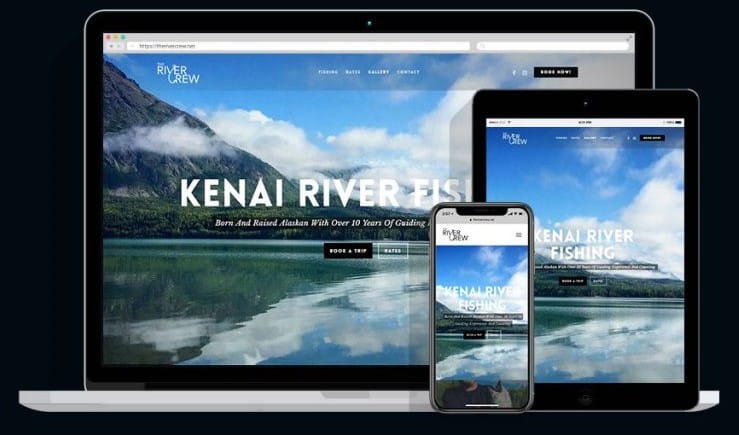
1, Website responsiveness
These days it’s rare to find a person who would choose a computer over their mobile device to perform a search engine query. As a business, it's always safe to assume that your customers are using their smartphones and tablets to both search for and purchase a product. It is thereby essential to ensure your website accommodates the different screen sizes these devices use. The content of your website has to have the capacity to reposition, or resize itself regardless of the device being utilized. This is called a “Responsive” website. If your site is responsive, users will find the site much easier and more fluid to navigate. If not then their inclination will be to move on to a site that is more visually agreeable.

2, User interface (UI) design
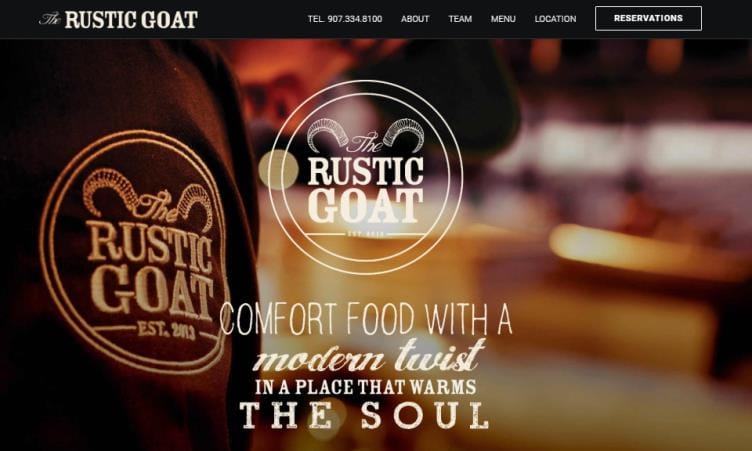
You might ask yourself; do you have the patience to browse through a slow, clunky site for more than a few moments? Your answer is, probably not and your customers won’t, either. Whether real life or online, the design of a store is a major factor in a customers purchasing decision. It is critical then to insure your website is aesthetically pleasing, not something slipshod or thrown together by the inexperienced. It must be professional as it reflects your brand identity, is equipped with solid navigation, and appears pleasing to the eyes.
3, Page speed
Page speed will make or break a PPC campaign too. Remember that time when you had dial-up internet and it took minutes to load a single page? Users today don't want the same experience, so don't disappoint them with poor page loading times. The number that gets quoted most often is three seconds. Past that, people leave. You can have a sharp design and content worth reading, and none of it counts while the page is still blank. You paid for that click either way.
Wrapping up
Don't waste your PPC campaign by maintaining a poorly-designed and slow-loading website. If you need assistance with creating a digital experience that will delight the eye and entice the buy in your customers, get in touch with our web design agency in Anchorage today! We’re happy to help.